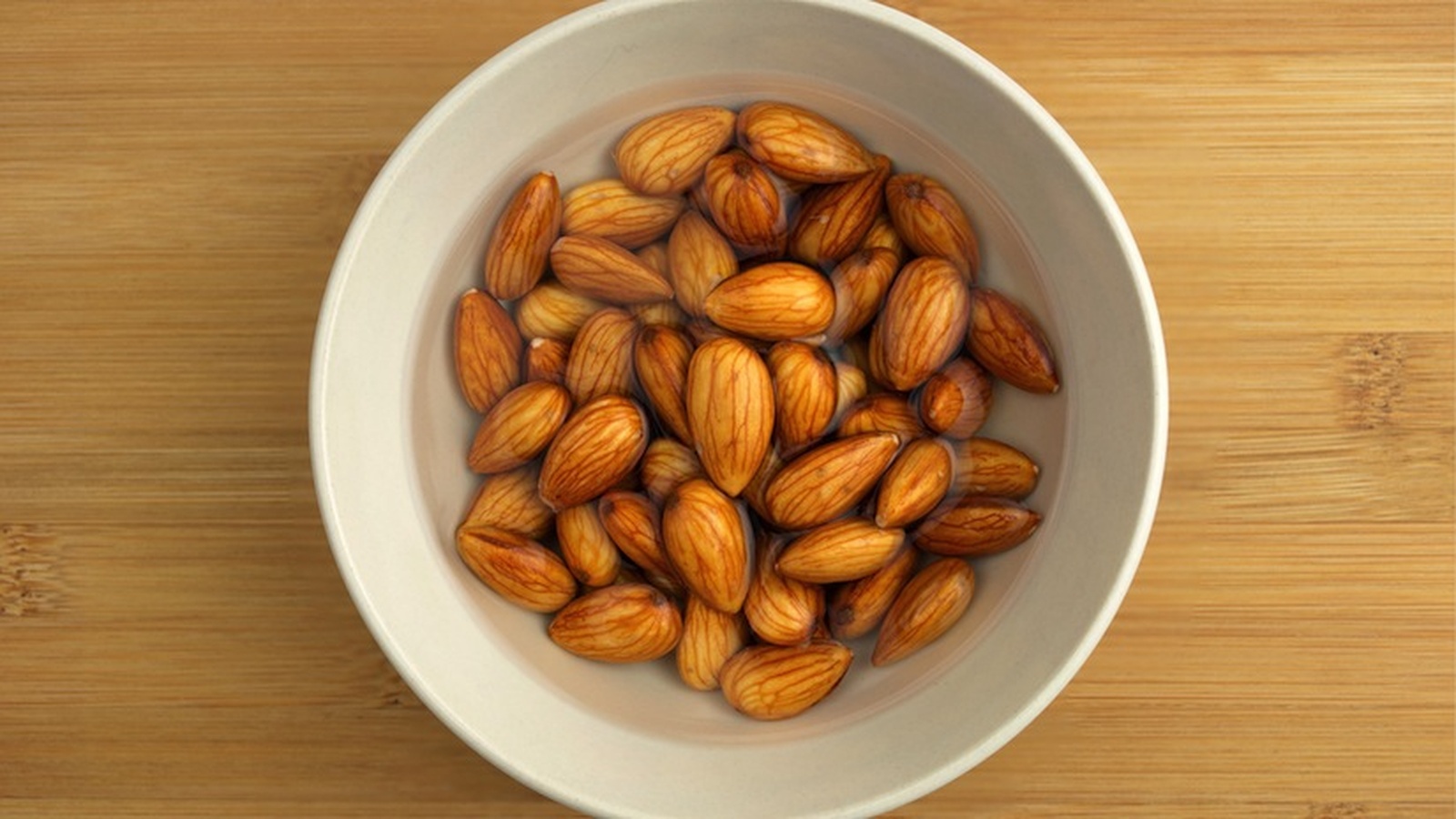
The Benefits of Soaking Nuts and Seeds
Nature has set it up so that the nut, grain, and seed may survive until proper growing conditions are present. Nature’s defense mechanism includes nutritional inhibitors and toxic substances that can be removed naturally when there is enough precipitation to sustain a new plant after the nut, grain or seed germinates. When it rains the nut, grain or seed gets wet and can then germinate to produce a plant. So we are mimicking nature when we soak our nuts, grains, and seeds.
Nutritional inhibitors and toxic substances found in nuts grains and seed can be minimized or eliminated by soaking. These inhibitors and toxic substances are enzyme inhibitors, phytates (phytic acid), polyphenols (tannins), and goitrogens.
What Are Enzyme Inhibitors?
There are digestive enzymes and metabolic enzymes. Digestive enzymes help break down food. Metabolic enzymes help every biological process the body does. Enzyme inhibitors will clog, warp or denature an active site of an enzyme. They may also bind to the enzyme, which will prevent the intended molecule from binding. “Once again, the habits of traditional peoples should serve as a guide. They understood instinctively that nuts are best soaked or partially sprouted before eaten. This is because nuts contain numerous enzyme inhibitors that can put a real strain on the digestive mechanism if consumed in excess.”
What Are Phytates?
All grains contain phytic acid in the outer layer or bran. Untreated phytic acid can combine with calcium, magnesium, copper, iron and especially zinc in the intestinal tract and block their absorption. This is why a diet high in unfermented whole grains may lead to serious mineral deficiencies and bone loss. The modern misguided practice of consuming large amounts of unprocessed bran often improves colon transit time at first but may lead to irritable bowel syndrome and, in the long term, many other adverse effects.
Why Soak Nuts, Grains, And Seeds?
- To remove or reduce phytic acid.
- To remove or reduce tannins.
- To neutralize the enzyme inhibitors.
- To encourage the production of beneficial enzymes.
- To increase the amounts of vitamins, especially B vitamins.
- To break down gluten and make digestion easier.
- To make the proteins more readily available for absorption.
- To prevent mineral deficiencies and bone loss.
- To help neutralize toxins in the colon and keep the colon clean.
- To prevent many health diseases and conditions.
Soaking allows enzymes, lactobacilli, and other helpful organisms to break down and neutralize a large portion of phytic acid in grains. Soaking in warm water also neutralizes enzyme inhibitors, present in all seeds, and encourages the production of numerous beneficial enzymes. The action of these enzymes also increases the amount of many vitamins, especially B vitamins. During the process of soaking and fermenting, gluten and other difficult-to-digest proteins are partially broken down into simpler components that are more readily available for absorption.
What Can Be Used To Soak Nuts, Grains, And Seeds?
I have found many references to soaking nuts, grains, and seeds in water, salt water, or a warm water mixture with something acidic like yogurt, whey or lemon juice. It seems within 7 to 24 hours the enzyme inhibitors are neutralized and the anti-nutrients are broken down regardless of the method you choose. There is evidence that the process works when you see sprouting begin.
How Long Does The Soaking Process Take?
As little as seven hours of soaking in warm acidulated water will neutralize a large portion of phytic acid in grains. The simple practice of soaking cracked or rolled cereal grains overnight will vastly improve their nutritional benefits. Flour products should be soaked at room temperature for at least twelve hours, but better results may be obtained with a twenty-four-hour soaking.
Are The Nuts, Grains And Seeds Used Wet?
I have enjoyed almonds wet. If you choose to try consuming anything in the soaked state, make little batches and store them in the refrigerator. Usually, everything that is soaked is dried in a dehydrator or oven on the lowest possible setting for 24 – 48 hours to remove all moisture.
Wheat berries can be soaked whole for 8 to 22 hours, then drained and rinsed. Some recipes use the whole berries while they are wet, such as cracker dough ground right in the food processor. You can also dry sprouted wheat berries in a low-temperature oven or dehydrator, and then grind them in your grain mill and use the flour in a variety of recipes. Nuts, grains, seeds and legumes can be ground up to use as flour in many recipes after they have been dried.
Any Advice On What To Do With Legumes?
Maureen Diaz recommends soaking any beans or legumes in water and vinegar for at least twelve hours before cooking. Soaked and dried beans may be ground up and used as flour for thickening and baking. This is helpful for those on a gluten-free diet.
One recommendation includes placing soaked kombu or kelp seaweed in the bottom of the pot when soaking legumes. Add one part seaweed to six or more parts legumes. This is for improved flavor and digestion, more nutrients, and faster cooking. Soak legumes for twelve hours or overnight in four parts water to one part legume. For best results, change the water once or twice. Lentils and whole dried peas require shorter soaking while soybeans and garbanzos need to soak longer. Soaking softens skins and begins the sprouting process, which eliminates phytic acid, thereby making more minerals available. Soaking also promotes faster cooking and improved digestibility, because the gas-causing enzymes and trisaccharides in legumes are released into the soak water. Be sure to discard the soak water. After bringing legumes to a boil, scoop off and discard foam. Continue to boil for twenty minutes without the lid at beginning of cooking to let steam rise (breaks up and disperses indigestible enzymes).
Take the stress out of cooking with 21-days of guided meal plans, shopping lists, and nutrition support. You’ll find all of this, and more, in our signature Clean Eating Program.