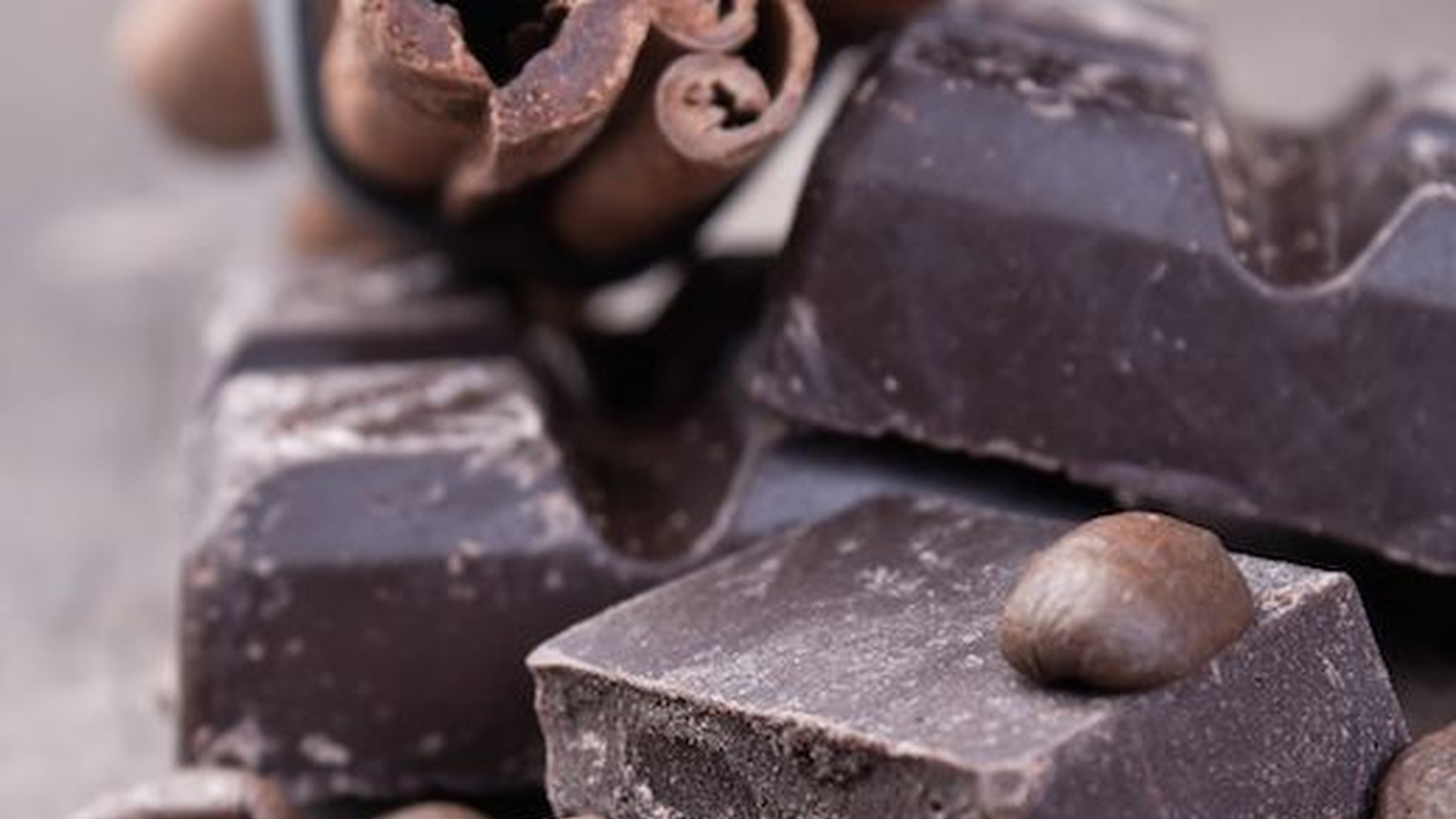
Chocolate CAN Be Good For You, At The Right Dose!
There have been quite a few interesting scientific studies emerging about chocolate over the past few years. There’s also a lot of confusion about chocolate—what type to eat and how much, types to avoid, etc., so I hope to dispel some of the myths on this subject. Chocolate can be used therapeutically, but only if it’s the right kind.
Chocolate is like anything else: garbage in, garbage out. Consuming poor quality chocolate, such as chocolate loaded with sugar and chemicals, is no more beneficial to your body than drinking a soda.
Chocolate Terminology
It’s first helpful to understand the distinction between cacao, cocoa and chocolate. Here are some definitions:
- Cacao: Refers to the plant, a small evergreen tree of the species Theobroma cacao, cultivated for its seeds, also known as cacao beans or cocoa beans
- Cocoa: Refers to the powder made from roasted, husked and ground cacao seeds, from which most of the fat has been removed
- Cocoa butter: The fat component of the cacao seed
- Chocolate: The solid food or candy made from a preparation of cacao seeds (roasted); if the cacao seeds are not roasted, then you have “raw chocolate,” which is also typically sweetened
Is Chocolate YOUR Favorite Vegetable?
The number of health benefits now associated with the cocoa bean are really quite impressive, including benefits to your heart and blood vessels, brain and nervous system, improved insulin sensitivity, and even possibly slowing down the rate at which you age. Cacao's benefits are related to compounds naturally occurring in the bean, including epicatechin and resveratrol, both powerful antioxidants.
Epicatechin is thought to help shield your nerve cells from damage. Norman Hollenberg, a professor of medicine at Harvard who has spent years studying the Kuna people of Panama who consume up to 40 cups of cocoa a week, believes epicatechin is so important it should be considered a vitamin. The Kuna have less than a 10 percent risk of stroke, heart failure, cancer and diabetes, which are the most prevalent diseases ravaging the Western world.
Besides epicatechin, cacao is also high in resveratrol, a potent antioxidant found in red wine, known for its ability to cross your blood-brain barrier to help protect your nervous system.
One 2012 meta-analysis found that eating chocolate could slash your risk of cardiovascular disease by 37 percent and your stroke risk by 29 percent. Another 2012 meta-analysis, this one in the UK1, found that cocoa/chocolate lowered insulin resistance, reduced blood pressure, increased blood vessel elasticity, and slightly reduced LDL. Dr. Golomb explains how the health benefits of cocoa require a relatively narrow dose range. There is a “Goldilocks curve”—too little or too much means no significant benefit occurs.
Positive health benefits science suggests are conferred by the cocoa bean:
- Anti-inflammatory
- Anti-diabetic and anti-obesity
- Neuroprotective
- Slows progression of periodontitis
- Anti-carcinogenic
- Improves gastrointestinal flora
- Improves exercise endurance
- Anti-thrombotic
- Cardioprotective
- Reduces stress hormones
- May help extend lifespan
- Lowers Alzheimer’s risk
- Improved liver function
- Reduces symptoms of glaucoma and cataracts
- Protects against preeclampsia in pregnant women
What to Look for When Selecting Chocolate
The closer your cocoa is to its natural raw state, the higher its nutritional value. Ideally, your chocolate or cocoa should be consumed raw (cacao). When selecting chocolate, you can optimize its nutritional punch by looking for higher cacao and lower sugar content. In general, the darker the chocolate, the higher the cacao. However, cacao is fairly bitter, and the higher the percentage cacao, the more bitter it is. The flavanols are what make the chocolate bitter, so manufacturers often remove them. But, it’s those flavanols that are responsible for many of chocolate’s health benefits.
To counteract the bitterness, most chocolate is sweetened, so it’s a matter of balancing nutritional benefit with palatability. Although raw cacao is the most nutritious form, most of the health studies to date involve consumption of cocoa or chocolate, not raw cacao. But the results are STILL significantly positive. This fact suggests a good portion of the nutritional benefit of chocolate is retained after processing.
Your goal then is to find a chocolate that’s as minimally processed as possible, but still palatable. You don’t want to eliminate too many of the health benefits by eating a product that contains a lot of sugar and chemicals. Choose chocolate with a cocoa/cacao percentage of about 70 or higher. If you can tolerate the flavor of raw cacao, then that’s the absolute best option. Milk chocolate is not a good choice as it contains pasteurized milk, which is not good for you, and large quantities of sugar. White chocolate is also high in sugar and contains none of the phytonutrients, so is not a good choice either. Dark chocolate is your best option.
Ingredients to Steer Clear Of
Read your labels carefully and evaluate each product for the following:
- Type of sweetener: Not only should you choose chocolate with low sugar content, but you should also look at what form of sugar it contains. Honey is sometimes used to sweeten raw chocolate products, which is a good choice (in moderation). If you can find chocolate sweetened with stevia or lo han (a natural sweetener derived from the Chinese Monk Fruit), that would be preferable to cane sugar, fructose or high fructose corn syrup. Strictly avoid any product containing artificial sweeteners.
- Genetically engineered cocoa beans: Select chocolate products that are certified organic so that you can be sure they aren’t genetically engineered (GE). Most chocolate today (even dark chocolate) is GE, unfortunately. Also opt for fair-trade products.
- Type of fat: Fat in chocolate, as long as it’s the right kind, is a good thing. It slows down the absorption of sugar, lessening the insulin spike. Ideally, the type of fat in your chocolate bar should be what is contained in the natural plant—cocoa butter. The primary fatty acid in cocoa butter is stearic acid, which is the only saturated fat that favorably affects HDL, without adversely affecting LDL, according to Dr. Golomb.
Coconut oil would be the next best fat in chocolate. Make sure you avoid soybean oil (and any other form of soy), and other vegetable oils and trans fats.
How Much Chocolate Should You Eat and How Often?
In general, it seems preferable to consume smaller amounts of chocolate at more frequent intervals, much like the principle of split dosing for supplements, in order to ensure a steadier stream of nutrients in your bloodstream. According to Dr. Golomb, studies show people eating chocolate more than five times per week have a lower body mass index.
That said, if you eat chocolate 20 times a day, you’re going to have a problem due to the sheer quantity you’re consuming! Daily consumption in divided doses (two to three times per day) is probably beneficial, as long as you aren’t going overboard in quantity, and as long as you’re eating high quality chocolate.
According to Ori Hofmekler, in order to fully benefit from chocolate, you’d have to consume about 3.5 to 7 ounces per day. He states:
“The problem is that even the healthiest dark chocolate brands today are not designed for such a large consumption.Yes, a moderate serving of three to four ounces of dark chocolate per day may be sufficient enough to affect your blood sugar and waist size.”
Avocado Chocolate Mousse Recipe
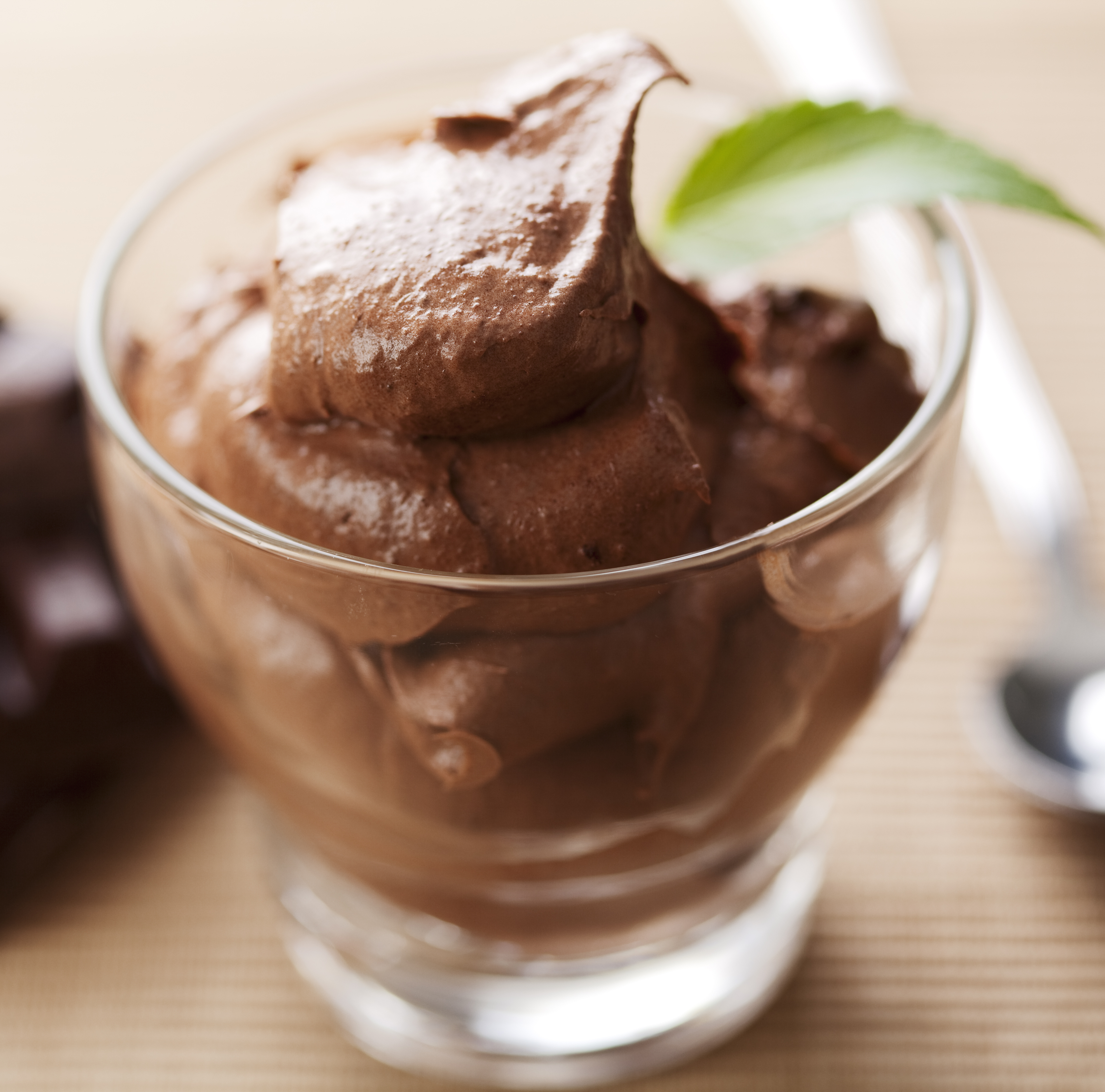 Ingredients
2 medium sized ripe avocados
1/3 cup raw cacao powder, or more to taste
5 fresh dates, pitted and roughly chopped
1/4 cup coconut milk, nut milk or filtered water
1tsp natural vanilla extract or pure vanilla bean powder
A pinch of unrefined sea salt
Optional: Dried coconut, grated dark chocolate or berries to serve
Method
1. Soak the dates in the milk or water for 10-30 minutes to soften. In a blender, add the avocado flesh, dates, milk, vanilla and salt and cacao powder. Blend until smooth. You may need a little more liquid to facilitate blending and scrape down the sides of the jug a few times.
2. Adjust ingredients to taste, adding more cacao powder if it needs it. Serve and garnish with your choice of toppings.
Take the stress out of cooking with 21-days of guided meal plans, shopping lists, and nutrition support. You’ll find all of this, and more, in our signature Clean Eating Program.